Choosing and Sizing an Ion-Exchange Softener for a Shared Home

Stigma, silence, and misinformation make it hard to get straight answers. We provide culturally relevant HIV/AIDS education, safe sex resources, and community support to empower young adults with facts, not fear.




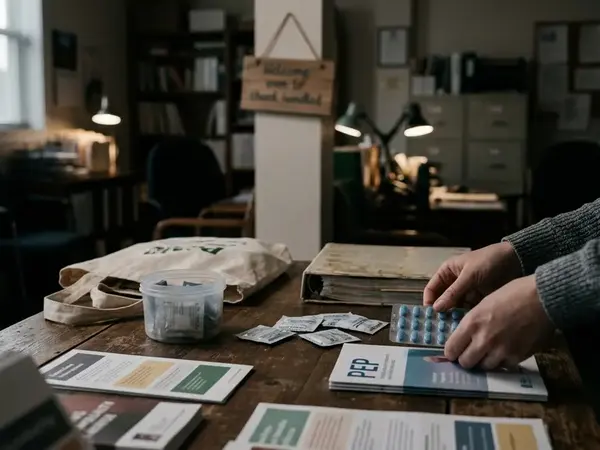
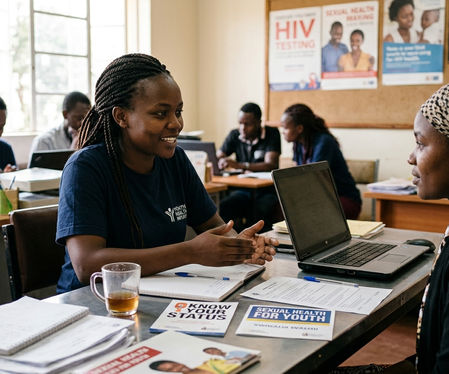
At a campus table, the first question is rarely the one a student really came to ask. Somebody grabs a sticker, laughs with their friend, then circles back with, “So how long does testing take?” That small pause matters. It tells us the information has to feel safe before it can be useful.
That is the heart of this work: meet people where they are, speak plainly, and leave room for honest questions. HIV prevention is not just about facts on a flyer. It is about confidence, access, and knowing that getting tested is a regular part of taking care of yourself.
Knowing your status is still the ultimate flex.
How HIV is transmitted, what safer sex actually means, when to test, and how to talk with a partner without turning the moment into a courtroom scene.
Fear, embarrassment, family pressure, faith, culture, dating, and the everyday reasons people delay care even when they know better.
Different questions need different doors. Some people need prevention basics. Some need a testing guide. Some need language for a hard conversation with a partner.
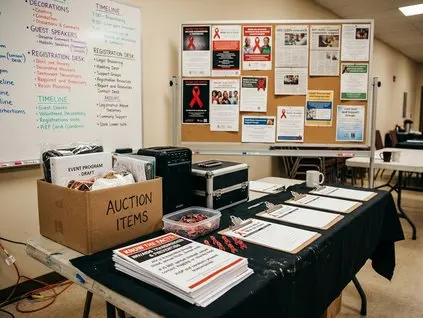
Clear information about transmission, prevention, treatment basics, and living with HIV.
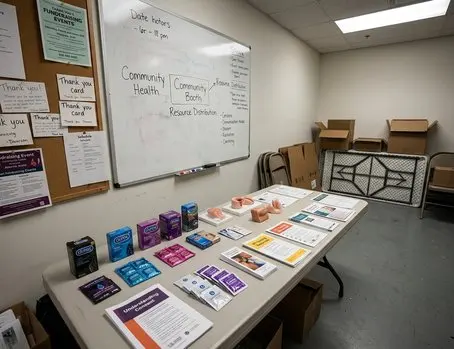
Practical guidance for condoms, protection choices, consent, and safer sexual decision-making.

Guides on how, when, and where to get tested for HIV and other STIs.

Updates from World AIDS Day work, college tours, and local outreach efforts.

Public health messaging, celebrity advocacy, and youth-centered media work.
Quick Tip: If this is your first time getting tested, read What to Expect During Your First HIV Test before you go. It can take some of the mystery out of the visit.
A good sexual health lesson gives people something they can use the same day: a phrase, a plan, a testing step, or the courage to ask a better question.
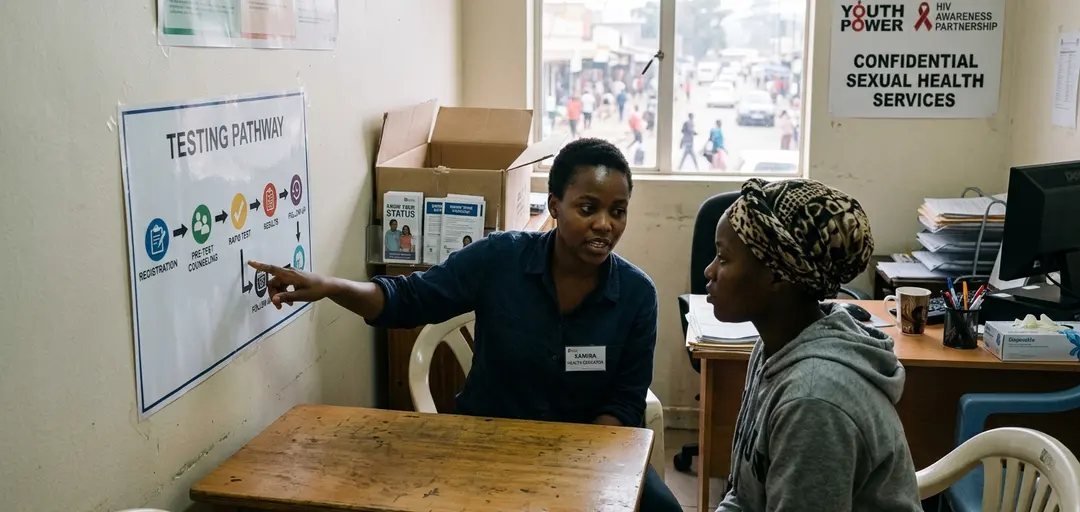
In our programs, the strongest sessions do not start with a lecture. They start with the questions young people are already carrying: “Can you get HIV from kissing?” “Do I need a test if I used a condom?” “How do I bring this up without sounding like I don’t trust them?”
From there, we build the lesson in plain steps. Name the risk. Name the protection. Name the next action. That rhythm keeps the room from getting lost in medical language.
Use real situations: parties, new relationships, old partners coming back, and the pressure to “just trust me.”
Give people a next move, whether that is getting condoms, finding a testing site, or practicing a partner conversation.
Shame shuts people down. Respect keeps them listening long enough to choose care.
Note: Sexual health needs can shift by age, location, clinic access, and state rules, so local resource checks still matter.
Rap-It-Up brings together educators, outreach staff, campaign strategists, and evaluation specialists who understand both public health and youth culture.

The work is practical because the questions are practical. A student may need a clinic address. A peer advocate may need better language for stigma. A parent, coach, or campus organizer may need help opening the door without making young people feel watched.
Rap-It-Up is a youth-focused public health and media initiative dedicated to HIV/AIDS awareness, sexual health education, and community outreach. Our current scope centers on accessible education, prevention guidance, testing navigation, community events, and culturally relevant campaigns.
Bring your real questions. You do not have to know the “right” words before you learn how to protect yourself.
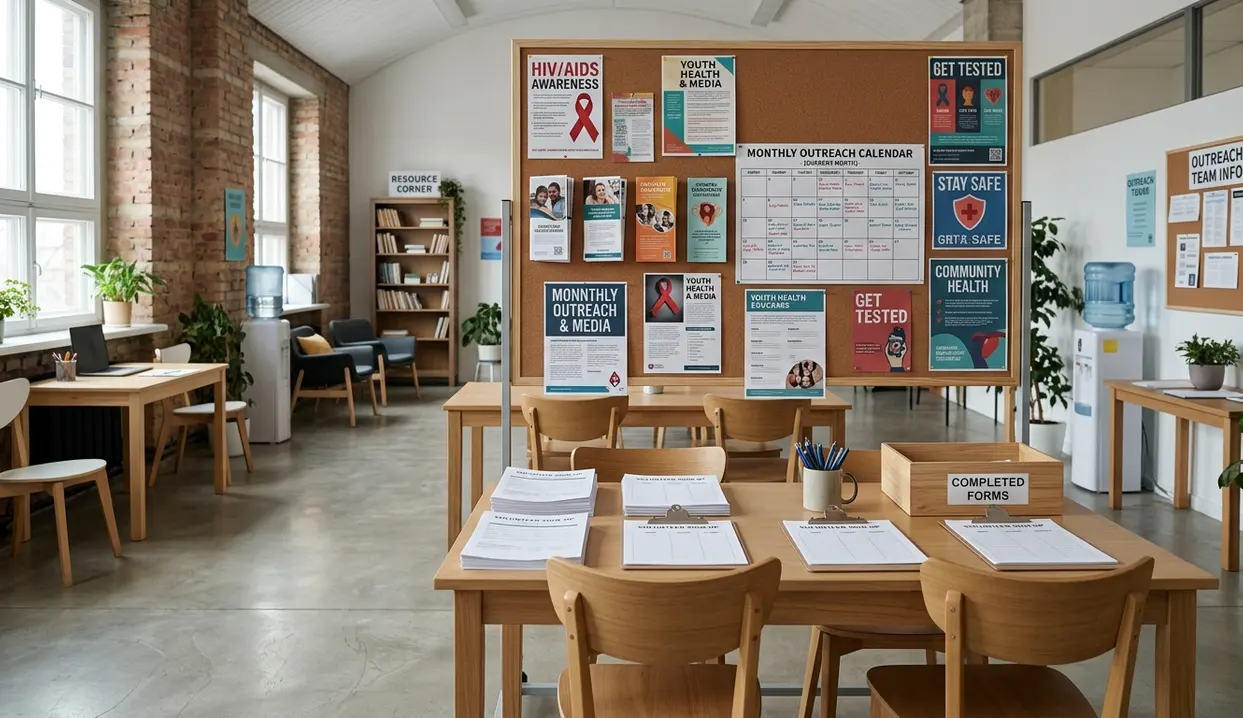
Use these resources to support peer education, campus outreach, community events, and stigma-free conversations.
Pinpoint the community's most urgent needs.
Shape programs backed by solid evidence.
Gather support from donors and grants.
Carry out programs with committed volunteers.
Monitor results and share them openly.