

Quick Nav
- The Core Question: How Does U=U Work?
- Biological Mechanisms of Viral Suppression
- Clinical Consensus and Scope of Protection
- Dismantling HIV Stigma Through Health Literacy
- Navigating Relationships and Disclosure
- Actionable Steps for Testing and Treatment
Knowing your status is the ultimate flex. So is understanding what that status actually means once treatment starts working.
The Core Question: How Does U=U Work?
How exactly does achieving an undetectable viral load eliminate the risk of transmitting HIV through sexual contact?
That question sits at the center of modern HIV & AIDS education, and the answer is cleaner than most people expect. U=U stands for Undetectable = Untransmittable. When antiretroviral therapy (ART) drives the amount of HIV in a person's blood below the level standard lab tests can detect, sexual transmission of the virus stops.
I walk through this the same way every time. Start with the translation, not the textbook. Undetectable means the virus is still present in the body, but at such low levels that it cannot pass to a sexual partner. Untransmittable is the outcome of that biology. ART turns HIV from a condition that spreads through sex into a manageable chronic state for people who stay on treatment.
The standard clinical definition of undetectable is fewer than 200 copies of HIV per milliliter of blood. Hit that threshold and keep it there, and the sexual transmission risk drops to zero under the conditions the science describes.
Biological Mechanisms of Viral Suppression
HIV replicates by hijacking human immune cells and turning them into virus factories. New particles assemble, exit the cell, and infect the next round of targets. Left alone, that cycle keeps the viral load high and the immune system under constant pressure.
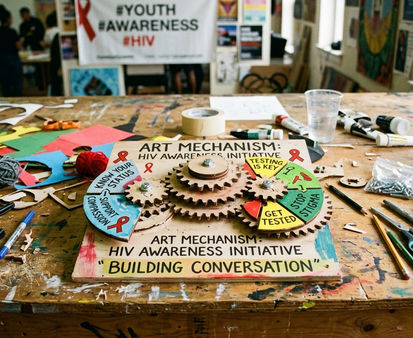
Antiretroviral medications jam that assembly line at multiple points. Some block the virus from entering cells. Others interrupt the enzymes HIV needs to copy its genetic material or package new particles. Stack several drug classes together and replication collapses.
Viral load is the count of HIV genetic material circulating in blood. Labs report it as copies per milliliter. When that number falls below the assay's detection floor — clinically framed as under 200 copies/mL, a person is considered undetectable.
The timeline is practical, not magical. Daily ART typically takes between 1 to 6 months of consistent adherence before the viral load reaches undetectable levels. Miss doses and the factory restarts. Stay on schedule and suppression holds.
Suppression Clock
One undetectable lab result does not equal permanent protection. Suppression depends on ongoing daily medication. A single clean test is a milestone, not a finish line.
Clinical Consensus and Scope of Protection
Major international health bodies and landmark clinical trials landed in the same place: people living with HIV who maintain an undetectable viral load do not sexually transmit the virus. That consensus reshaped safe sex & prevention messaging worldwide and sits behind current official guidance on HIV treatment as prevention.
Scope matters. U=U applies to sexual transmission. It does not cover sharing needles or other injection equipment. Campaigns that once pushed a blanket "zero risk" line across every route walked that back after the message blurred the science. Sexual contact and injection risk are separate conversations.
Time matters too. Undetectable status has to be maintained. Routine viral load monitoring usually runs every few months during the first year of treatment, then roughly twice a year once suppression stays consistent. Those check-ins confirm the meds are still doing their job.
U=U is a sexual-transmission finding backed by rigorous trial evidence. Stretch it past that lane and you lose the precision that makes the message trustworthy.
Dismantling HIV Stigma Through Health Literacy
Outdated transmission myths still drive discrimination in schools, clinics, and family conversations. People hear "HIV" and reach for fear scripts written decades ago, before modern ART existed.
U=U cuts that script. For someone living with HIV, the knowledge that they cannot pass the virus sexually removes a layer of constant dread. Partners stop being framed as hazards. Intimacy stops being framed as a moral test. That psychological shift is real, and it shows up fast once the science lands.
Community advocates and youth peer educators carry most of this update work. Peer-led health literacy workshops often run in short modules so they fit high school periods and community center blocks. The stronger sessions open on the modern reality of viral suppression first, then fold in history only after people have a stable frame for what HIV looks like now.
When media & campaigns lead with U=U instead of trauma alone, younger audiences stay in the room long enough to ask better questions about testing & resources.
Navigating Relationships and Disclosure
Talking about U=U with a partner works better as modular talking points than as a rigid script. Lead with what undetectable means in plain language. Name the monitoring schedule you follow. Invite questions without treating curiosity as rejection.
Serodiscordant relationships — one partner HIV-positive, one HIV-negative, change shape once both people understand suppression. The positive partner's consistent ART becomes a shared prevention pillar. The negative partner can still explore PrEP as layered protection. PrEP consultations for HIV-negative partners in these relationships usually open with a short intake covering overlapping prevention methods alongside the positive partner's U=U status.
Disclosure Terrain
The emotional weight and safety of sharing an undetectable status shift hard depending on a partner's cultural background and baseline HIV literacy. Read the room. Set boundaries. Mutual respect beats a forced timeline.
Disclosure is empowerment when you control the pace. It is not an obligation to educate every person you meet. Choose who gets the full clinical walkthrough and who gets a shorter version. Your health data belongs to you.
Actionable Steps for Testing and Treatment
Viral suppression starts with knowing your status. No lab result, no treatment plan, no path to undetectable.
Community health centers and local clinics run confidential HIV testing on a walk-in or appointment basis. Rapid HIV tests used in those settings can return preliminary results in about 20 to 30 minutes. Confirmatory laboratory blood draws typically take a few business days to process. Many sites now route anyone who tests positive to an ART prescriber inside the same facility so the handoff happens before anyone walks out the door.
- Find a nearby clinic or community testing site that offers confidential sexual health screening.
- Ask specifically for an HIV test and, if relevant, a conversation about PrEP or ART.
- If you are already living with HIV, confirm your latest viral load result and your next monitoring date.
- If you are starting or restarting treatment, lock in a daily adherence routine you can actually keep.
Schedule a routine sexual health screening this week and ask your healthcare provider directly about your HIV testing and prevention options.






Your Thoughts
The conversation starts with you.
Your Comment