
The Evolution of Barrier Protection in Sexual Health
The stark white, clinical foil wrappers of the past carried a heavy subtext. Drawing on an evaluation of early public health campaign drafts, focus groups revealed this approach induced fatalism rather than action. People felt overwhelmed by the heavy emphasis on mortality and infection rates. The messaging strategy subsequently pivoted to emphasize holistic self-care.
Manufacturers supported this shift by transitioning to matte, color-coded packaging designed to resemble cosmetic products. This visual update helped normalize barrier methods as everyday wellness tools. Between 2018 and 2022, universities began integrating these updated sexual health modules directly into standard college freshman orientation schedules. While sample sizes varied across these initial university cohorts, the trend toward normalization remained consistent.
Pre-Encounter Preparation and Normalization
Preparation starts long before a date begins. Purchasing sampler packs containing three to five different textures and widths allows for solo testing. This personal familiarity removes the mechanical awkwardness of opening and applying the barrier later.
Daily carry strategies require careful planning. Polyurethane and latex degradation accelerates when exposed to sustained temperatures above 100°F, a common environment in glove compartments during summer months. Wallets also cause friction damage.
Daily Carry Protection
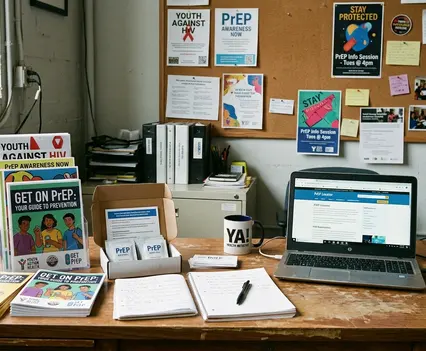
Educators mapped out specific daily carry strategies by evaluating common storage habits. They determined that repurposed hard-shell mint tins provide guaranteed friction protection without drawing unwanted attention.
Frameworks for Initiating the Conversation
Timing dictates the success of boundary discussions. Advocates developed the 'daylight text' approach after observing that late-night digital conversations often blurred boundaries. Scheduling the text during daytime hours establishes clear expectations.
Sending a casual boundary-setting text between 2:00 PM and 4:00 PM prior to an evening date removes the pressure of the immediate moment. Phrasing matters immensely. Using 'I' statements such as "I always use condoms, just making sure we're on the same page" avoids accusatory tones.
Adjusting the medium of the conversation—using text for new partners to establish baseline safety, versus in-person discussions for long-term partners renegotiating barrier use, provides an optimal context-dependent variation.
Navigating Resistance and Common Pushback
Pushback happens, and having a structured response protocol keeps the situation grounded. Counselors structured this protocol to avoid JADE: Justify, Argue, Defend, Explain. Training peers to repeat a single, neutral boundary statement prevents physiological debates.
Objections typically fall into three primary buckets: physical sensation, emotional trust, and logistical interruption. Relying on a partner's vague verbal assurance of "being clean" instead of maintaining the physical barrier boundary represents a common failure case. Grounding personal boundaries in public health guidelines regarding barrier efficacy provides a proven foundation for these conversations.
Boundary Maintenance Tactics
If pushback continues past the second boundary restatement, initiating a physical exit within 60 to 90 seconds maintains personal agency. One critical limitation exists regarding the 'broken record' technique. It assumes a baseline level of physical safety. If a partner becomes physically aggressive or blocks an exit, de-escalation and immediate departure supersede verbal boundary setting.
Smooth Integration During Intimacy
Incorporating the application process into foreplay dismantles the myth of the mood killer. Staging supplies within a 24-inch reach of the bed maintains physical contact during application. Fumbling through drawers breaks the connection.
Applying two to three drops of water-based or silicone lubricant inside the tip before rolling it down increases sensation. Material compatibility requires strict attention. Certified educators standardized the recommendation of pairing specific lubricants with barriers after tracking latex micro-tears associated with oil-based massage lotions used during foreplay. Keeping the right supplies close ensures a smooth transition.
Step-by-Step Application: A Complete Scenario
Reviewing a chronological map demonstrates the 'continuous touch' method in action. This ensures that at least one hand remains engaged with the partner while the other opens the wrapper.
- 3:15 PM: A text is sent establishing the expectation of barrier use for the evening.
- 7:00 PM: The physical setup of the bedroom environment occurs, staging all necessary items.
- 9:30 PM: Verbal confirmation happens naturally during intimacy.
- Application: The wrapper is torn down the side rather than the middle to prevent accidental fingernail punctures.
Pre-Encounter Staging Checklist
- Verify expiration dates on all staged barriers.
- Ensure wrappers are intact with a visible 'air pillow' cushion.
- Place barriers and compatible water-based/silicone lubricant within a 24-inch reach (e.g., nightstand drawer).









Your Thoughts
The conversation starts with you.
Your Comment