
The Hidden Toll of Delayed Clinical Screenings
Public health initiatives often operate on the assumption that if a service is available, the community will use it. This passive approach creates serious gaps when addressing sexual health among young men. Failing to reach this demographic in their own environments leads to widening gaps in public health equity and increased transmission rates. The clinical model expects individuals to recognize a risk, overcome the associated stigma, and voluntarily navigate a complex medical system.
The clinical model was failing them.
The timeline of sexual health awareness shows an average delay in the range of 18 to 24 months between initial sexual activity and first clinical screening. During this gap, young men remain entirely disconnected from preventative care, education, and testing resources. Traditional outreach models struggle to close this window because they rely on institutional settings that often generate distrust. Formal sexual health clinics carry a heavy stigma and are often viewed as places to visit only when a severe problem has already developed.
Waiting for patients to walk through clinic doors means missing the most vulnerable populations entirely—a gap that compounds transmission risks over time. The clinic itself can present a barrier. Sterile waiting rooms, clipboard intake forms, and the clinical gaze of medical staff create an intimidating atmosphere. Young men frequently avoid these spaces to protect their privacy and avoid perceived judgment from healthcare providers.
Moving public health interventions out of the clinic becomes necessary. Effective prevention requires establishing dialogue in spaces where the target audience already feels secure. When health education is integrated into familiar, everyday environments, the psychological barriers to testing begin to fall. The challenge lies in identifying which community spaces hold enough cultural weight to support these sensitive conversations.
Pivoting to the Neighborhood Grooming Hub
Finding the right venue for community health integration requires trial, error, and a willingness to abandon ineffective strategies. During the 2022 outreach cycle, initial mapping efforts focused on recreational sports leagues. The hypothesis suggested that gathering places centered around physical activity would be ideal for health-related pop-ups. Outreach teams set up informational tables near basketball courts and soccer fields, expecting high traffic and eager engagement.
Attendance at health pop-ups in those venues remained sparse.
Men at sports leagues were focused on competition, socializing in large groups, and performing for their peers. The public nature of the venue made private conversations about sexual health nearly impossible. Recognizing the mismatch between the environment and the objective, the outreach team abandoned the sports-league approach after two months. The team then shifted its focus.
The focus moved entirely to local barbershops where engagement could be sustained. The social dynamics of a neighborhood barbershop provide a useful structure for community health. With patrons spending approximately one to two hours biweekly in a conversational setting, the environment naturally supports deep, ongoing relationships. The barber chair is historically a safe, unfiltered space for men to discuss life, relationships, and personal challenges.
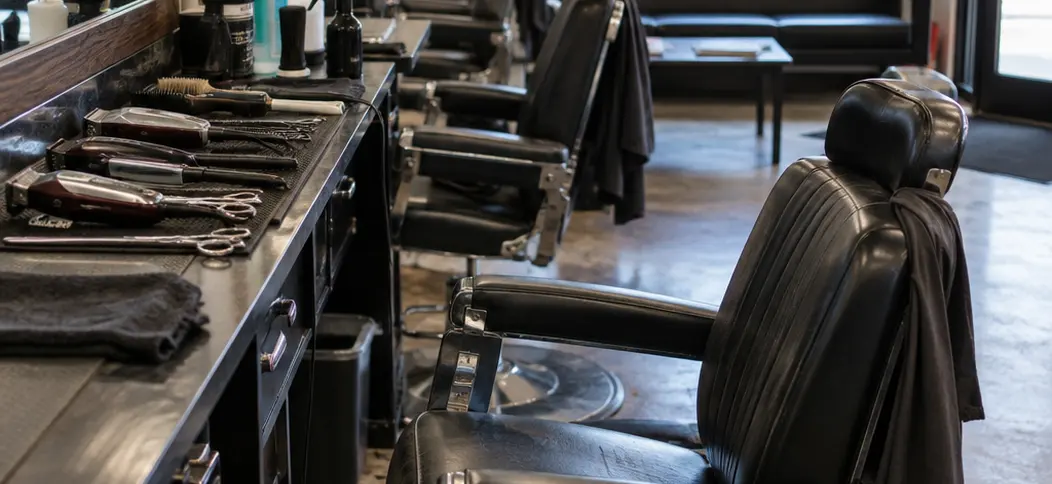
The cape goes on, the clippers start humming, and the defensive posture drops—creating a rare window for genuine dialogue. Mapping local barbershops involved identifying shop owners who already acted as informal community leaders. Outreach coordinators spent weeks visiting shops, getting haircuts, and building rapport with the owners before ever pitching a public health partnership. This groundwork ensured that the eventual integration of health resources felt organic to the shop's existing culture rather than an external mandate imposed by a clinic.
Training Stylists for Health Conversations
Transforming a trusted community figure into a public health advocate requires precise, culturally competent training. Barbers already possess the interpersonal skills necessary to navigate sensitive topics. The objective is to equip them with accurate information and referral pathways without disrupting the natural flow of their work. The training program was designed to respect the barbers' time and their primary role as grooming professionals.
Program coordinators delivered three 45-minute training sessions on-site during closed hours, typically Sunday mornings or Monday afternoons. These sessions focused on bringing health dialogue into biweekly barber-chair conversations. Facilitators used role-playing exercises to help barbers practice introducing HIV prevention and sexual health topics naturally. The emphasis remained on casual, low-pressure entry points rather than formal medical lectures.
Chairside Referral Tactics
- Place discreet referral cards next to styling products on the station counter.
- Introduce health screening topics during the standard consultation phase of the haircut.
- Provide a direct QR code for clients to scan privately while in the chair.
Normalizing casual discussions about routine health screenings helps demystify the testing process. A barber might mention their own recent clinic visit or casually point out the informational materials placed in the waiting area. These small, consistent interactions build a foundation of awareness that makes the prospect of testing far less intimidating for the client.
The strategy does have structural limitations. This peer-education model loses efficacy in high-turnover franchise salons where the client-barber relationship rarely extends beyond a single appointment lasting approximately 15 minutes. The limitation comes down to trust, which cannot be rushed. Effective health dialogue requires the sustained, recurring contact found in independent, community-rooted shops.
Maintaining clear professional boundaries is a core component of the training. Barbers act as trusted conduits for information, but they are explicitly trained to refer clients to certified medical professionals for actual diagnosis and treatment. The training emphasizes that the barber's role is to open the door to care, ensuring the boundary between community support and clinical intervention remains firmly intact.
Translating Chair Talk into Clinic Visits
Measuring the impact of community-based interventions requires looking beyond simple awareness metrics. The main test of the barbershop initiative is its ability to drive actionable health decisions among patrons. Reviewing the intake records from partnered clinics, a distinct shift from passive listening to active participation emerges. The familiar environment of the barbershop reduces the anxiety typically associated with seeking sexual health services.
Participating shops generate an average of 12 to 15 clinic intake scans per month at each shop via discreet QR codes. These codes, placed strategically on mirrors and station counters, allow clients to access booking portals privately. A patron can scan the code, review testing options, and schedule an appointment without ever having to announce their intentions to the room.
While these intake metrics indicate strong initial engagement, the methodology relies on self-reported follow-through at the clinic level to confirm completed screenings. Even with this qualifier, the volume of digital engagement demonstrates a high willingness among young men to accept referrals when they originate from a trusted source. The transition from the barber chair to the clinic waiting room is eased by the endorsement of the stylist.
Outreach teams report that trust-based, localized interventions yield more consistent follow-through than broad, impersonal media campaigns. When a client books a test through a barbershop referral, they often return to the shop weeks later to share their experience with their barber. This feedback loop reinforces the barber's commitment to the program and normalizes the concept of community-based HIV testing for other patrons listening in on the conversation. The peer-referral framework creates a self-sustaining culture of health awareness within the shop.
The Saturday Morning Rush
This public health strategy is most visible during peak operating hours. The busiest period is the 9:00 AM to 1:00 PM Saturday rush, when waiting areas reach maximum capacity. The shop is loud, energetic, and packed with men of varying ages waiting for their weekly shape-up. The television plays a weekend sports recap, clippers buzz continuously across six different stations, and overlapping conversations fill the room.
At the second chair near the window, a barber finishes fading the sides of a young client's hair. He brushes the loose hair from the client's neck and asks about his plans for the weekend. The client mentions a new relationship, prompting the barber to shift the tone. He reaches toward the counter, tapping a small, laminated card resting next to the styling gel. He quietly suggests that taking care of business includes knowing your status, keeping the exchange brief, supportive, and entirely devoid of judgment. The client nods, pulls out his phone, and scans the QR code before the cape is even unclipped.







Your Thoughts
The conversation starts with you.
Your Comment