

The Hidden Cost of Waiting for Symptoms
Delaying sexual health screenings until physical symptoms appear leaves individuals vulnerable to long-term complications. Many people carry a low-level, chronic anxiety about their status, pushing the thought away until a specific event forces them into a clinic. This reactive approach places partners at unnecessary risk and significantly increases personal stress. Untreated asymptomatic infections can persist undetected for roughly 12 to 24 months before presenting visible complications. That is a massive window of time to carry the weight of the unknown.
Integrating testing into routine healthcare transforms a reactive process into proactive wellness. People often assume that feeling fine equates to a clean bill of health. Fourth-generation antigen/antibody tests typically require a window of roughly 18 to 45 days after potential exposure for conclusive baseline results. Getting tested regularly removes the guesswork entirely. It replaces the fear of a sudden diagnosis with the quiet confidence of consistent status awareness.
Community health advocates see the toll this waiting game takes on mental health. The anxiety builds quietly in the background of new relationships. When individuals finally seek testing & resources due to a sudden scare, the experience is often fraught with panic. Shifting that paradigm requires a fundamental change in how we view our bodies and our responsibilities to our partners.
Treating Sexual Health Like Dental Care
We schedule dental cleanings twice a year to prevent cavities. Blood pressure gets checked to monitor cardiovascular health. Sexual health deserves the exact same neutral, stigma-free approach. Historically, cultural stigmas have isolated sexual health from general physical health, treating it as a taboo subject rather than a standard biological reality. This isolation forces people to view testing as an emergency response rather than routine maintenance.
Examine the psychological toll of treating testing as a crisis. The adrenaline, the fear of judgment, and the agonizing wait for results all contribute to a negative feedback loop. People avoid the clinic because they associate it with fear. Breaking this cycle takes time and repetition. Moving a patient from crisis-driven visits to a routine schedule usually takes two or three consecutive symptom-free screening cycles before the psychological association shifts from fear to routine maintenance.
There is immense empowerment that comes from viewing status awareness as a baseline health metric. It strips away the moral panic often associated with hiv & aids education. When you know your status, you hold the power to make informed decisions about your body. You move through the world with a clear understanding of your own health, free from the shadows of historical stigma.
The Payoff of Consistent Maintenance
Routine visits normalize the conversation with healthcare providers. The first visit might feel intimidating. By the third visit, it becomes just another item on your seasonal to-do list. This normalization radiates outward, influencing how you talk about health with friends and partners.
Adding Panels to Your Annual Physical
The most effective way to build a testing habit is to attach it to an existing one. Requesting comprehensive panels during standard annual physicals bridges the gap between specialized clinics and everyday medical care. A standard comprehensive panel requested during an annual physical usually includes a blood draw alongside site-specific swabs, adding only a few minutes to a standard consultation. Those few minutes provide months of peace of mind.
You have to plan ahead—a quick mention at the front desk on your way in will often disrupt the schedule. Fitting these panels into a typical 15-minute annual physical means requesting the specific tests at the time of booking rather than during the appointment, so providers can allocate the appropriate requisition codes in advance. This administrative step guarantees the testing site is prepared and the doctor has the necessary materials ready in the exam room.
Clinical best practices recommend regular intervals, though frequency should scale with individual lifestyle factors and regional access limitations. Following clinical best practices ensures you receive the optimal level of care for your specific situation. It helps to understand the difference between targeted symptom checks and broad preventative screening panels. A symptom check looks for the cause of a specific complaint. A broad panel screens for multiple infections simultaneously, catching asymptomatic cases early.
Building Trust Through Early Conversations
Knowing your status is a tangible act of self-respect. It also demonstrates profound respect for intimate partners. Normalizing status conversations before intimacy occurs builds a foundation of trust and mutual care. These discussions often feel awkward at first, primarily because media & campaigns have historically framed them as dramatic, high-stakes confessions.
Drawing on a review of safe sex & prevention protocols, public health frameworks suggest initiating status conversations in neutral environments, ideally a day or two before anticipated intimate contact, allowing both partners time to process and share recent screening documentation. Having this conversation over coffee on a Thursday afternoon is far more effective than trying to navigate it in the heat of the moment on a Friday night. Daylight and neutral territory reduce pressure.

Public health frameworks support open communication, provided individuals have access to safe, confidential testing environments. When both partners have recent, reliable results, the conversation shifts from a space of anxiety to a space of shared responsibility. It becomes a collaborative effort to protect each other.
Strategies for the First Conversation
Start by sharing your own status and testing habits first. Leading with your own information removes the feeling of an interrogation. It signals that you view sexual health as a shared, normal part of adult life. Offer to go to the clinic together if your partner is overdue for a screening.
Overcoming Waiting Room Jitters
Clinic visits frequently trigger anxiety. Patients worry about judgment from staff, concerns about confidentiality, and the sterile environment of the waiting room itself. These fears are valid and rooted in decades of systemic challenges within the healthcare system. Community & events organized around health awareness often highlight these exact barriers.
Identifying culturally competent healthcare providers is a crucial step in overcoming this anxiety. You want a clinic that understands your specific community and treats you with dignity. The paperwork you fill out often provides the first clue about a clinic's culture. Clinics that have refreshed their patient registration forms in the past two or three years to include diverse gender and orientation identifiers generally signal higher cultural competency and a calmer patient experience.
While community health initiatives strive for universal access, systemic barriers still require patients to actively advocate for their care. If a provider makes you feel rushed or judged, you have the right to seek care elsewhere. Finding a supportive medical home transforms the testing experience from a dreaded chore into a supportive health check-in.
Eight Fifteen on a Tuesday
The alarm goes off at 7:00 AM. By 8:15 AM, Marcus is walking through the glass doors of the neighborhood health center. He pre-registered on his phone the night before, bypassing the clipboard and the long intake forms. The front desk staff greets him, verifies his date of birth, and points him toward the blue chairs in the hallway. He sits for just over three minutes, scrolling through his morning emails, before a nurse calls his name.
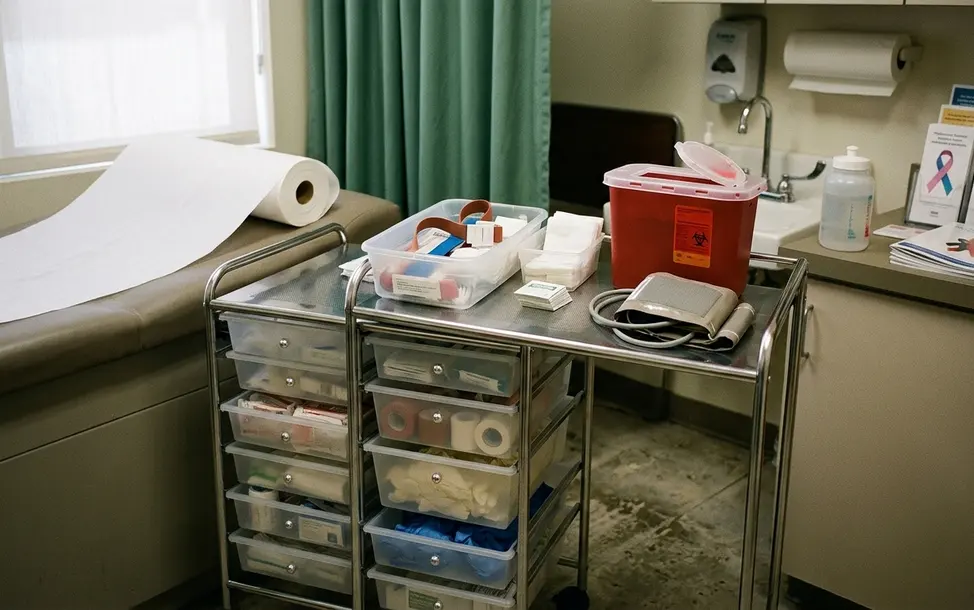
The exam room is quiet and brightly lit. The nurse confirms his requested panel, hands him the self-swab kit, and steps out. Two minutes later, she returns for the blood draw. In a streamlined community clinic, the whole visit—from front desk check-in to the final blood draw—runs about twenty minutes when the patient has pre-registered online. Marcus rolls down his sleeve, presses a small bandage to his arm, and walks back out into the morning air. He grabs a black coffee from the corner cafe and catches the 8:45 train to work, his routine completely uninterrupted.








Your Thoughts
The conversation starts with you.
Your Comment